Skill enablers
Summary
Mission
Arctic Shores is a psychometric assessment company that helps hiring teams evaluate candidates through assessment scores, either via a distribution platform or directly through their ATS.
By providing clear, task-based insights and automated candidate feedback, Arctic Shores enables hiring teams to make informed hiring decisions while giving candidates clarity and confidence throughout the hiring process.
Responsibilities
I acted as the senior UX stakeholder for the project, leading discussions and kick-offs for the transition to skill-based traits.
In my role as Senior UX Manager I created a strategy introducing the new skill-based traits with a plan to sunset the existing personality traits.
The Selection Journey project focused on improving the recruiter experience by simplifying workflows, increasing clarity, and building confidence in configuration decisions.
Organisation
Arctic Shores
London/Manchester, UK
Website / LinkedIn
Role
Senior UX Manager
UX Design,
Interaction Design,
UI Design,
Product Strategy,
Usability Testing.
Impact
80%
Customers adopted the skill enablers following release.
AI-resilient
Updates to tasks
>30min
Average reduction in candidate assessment time
>15,000
Unique assessments
The personality problem
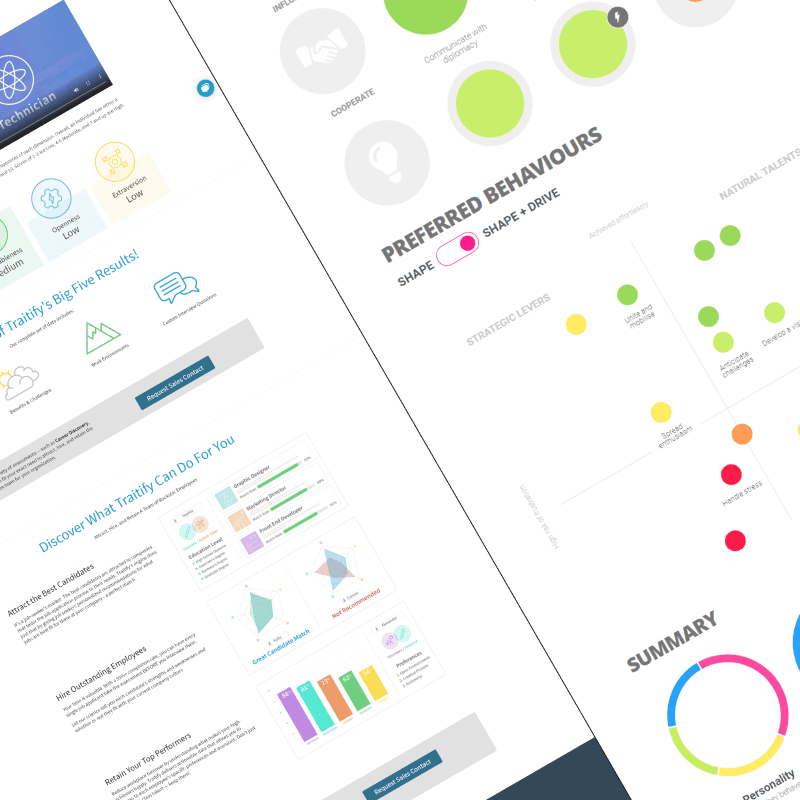
Recruiters previously configured assessments by selecting four options from a list of thirteen personality traits. However, the lack of contextual guidance made setup decisions uncertain, and overlapping trait definitions led customers to interpret the language inconsistently.
To address these issues, the business transitioned to a skill-based trait model informed by stronger reliability data and long-term strategic objectives. While this approach improved precision and flexibility, it required a complete redesign of the scoring system and added complexity to the configuration experience.
Personality trait user journey
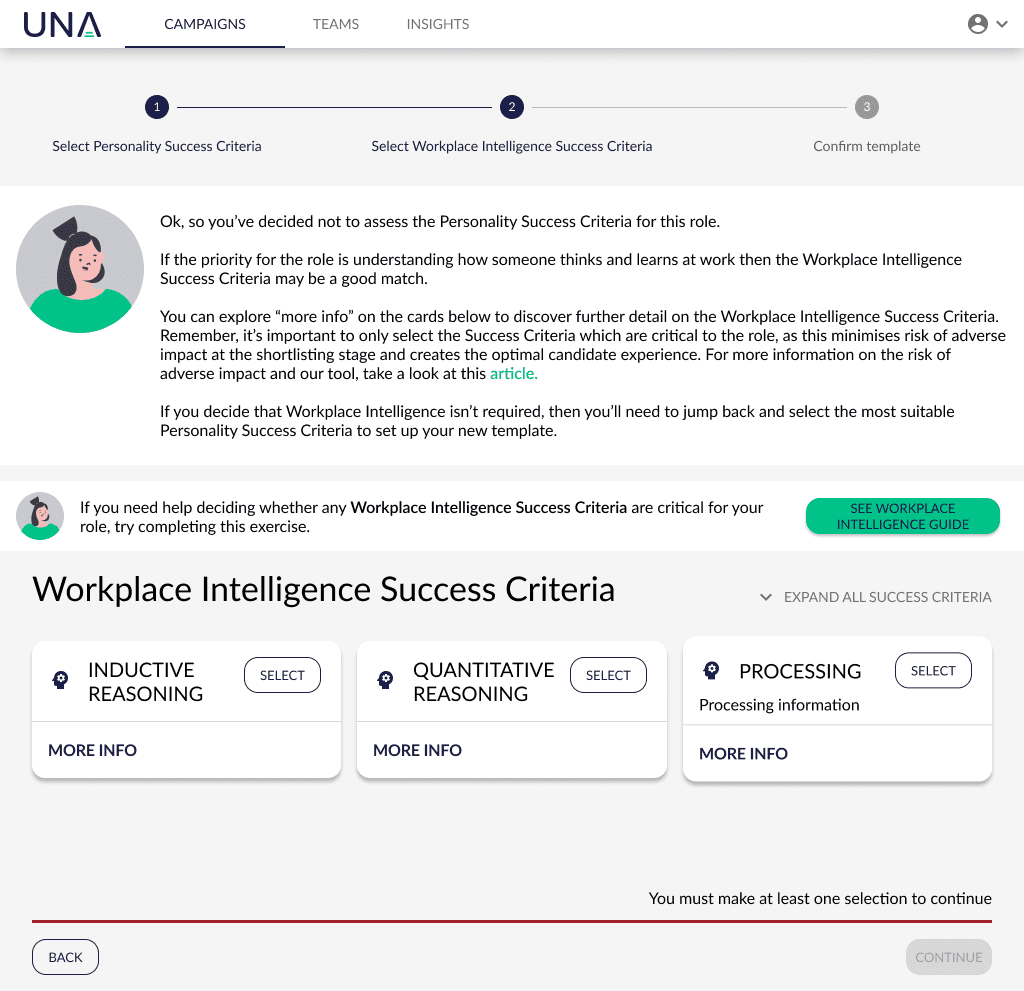
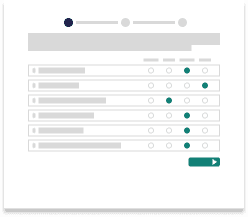
At the time, the existing selection journey required users to:
Select four personality traits
Optionally add up to three cognitive traits
Navigate through a multi-step, multi-page flow
Review their full configuration only at the final summary stage
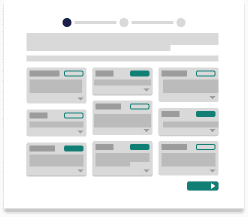
Customer selects between 4-7 personality traits
Customer prioritises top 4 traits
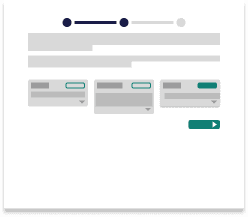
Additional cognitive traits added
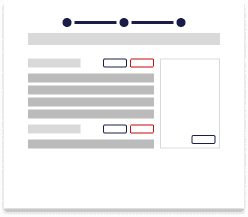
Summary page provides final selection
Testing and research
Insights for the redesign were informed by usability testing with customers, alongside qualitative feedback from Customer Success stakeholders who regularly supported users through the setup process. Together, these inputs highlighted several consistent issues:
Users frequently lost context as they progressed through the flow
Earlier selections were often forgotten or misunderstood
Trait information lacked the depth and consistency needed for confident decisions
The candidate experience and scoring implications were unclear until the end
Users were often surprised by the final configuration, reducing trust in the system
Customer Success teams also reported that these issues commonly led to confusion, rework, and follow-up support requests particularly as users encountered the new skill-enabler traits for the first time.
Overall, the journey felt fragmented and cognitively demanding, especially in the context of introducing a more sophisticated, skill-based assessment model. The redesign needed to support this strategic shift by improving transparency, maintaining context, and helping users understand the impact of their choices throughout the journey.
Old problems, new opportunities
Personality trait problems
Personality trait cap (4 traits) felt arbritrary
Limited trait information
Overlapping trait definitions
Unknown candidate experience
No fine controls over selection (each trait is equally scored)
Unclear multipage selection
Assessment scoring unclear
Skill-based trait opportunities
Unlimited selection (1-2-1 task mapping to traits)
Improved and expansive information
Task mapping gives accurate candidate task and completion time
Potential for single page selection
Ability to weight each trait individually
Clarity on how assessment will be scored
Selection layout
Research
Due to the nature of the unclear multipage selection process, I looked at similar interactions in existing consumer products.
The action of selecting items and expecting a summary aligned well with the process of online shopping/ordering.
As the customer was essentially selecting the skills they wanted to test in their candidate. The ability to represent the candidate experience and how each of the skills contributed to the final score was also important in the layout.
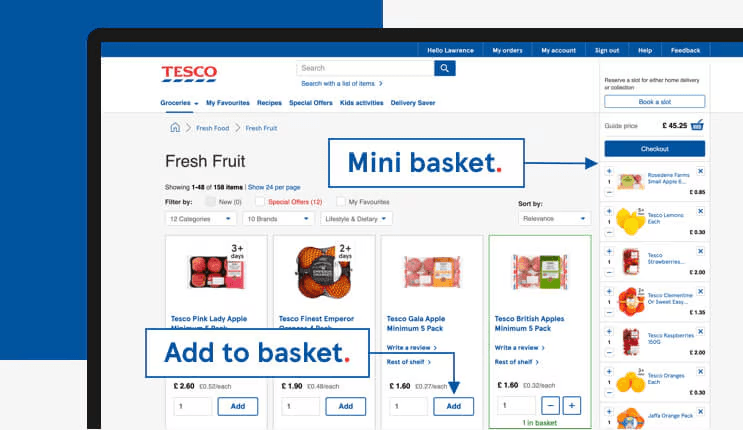
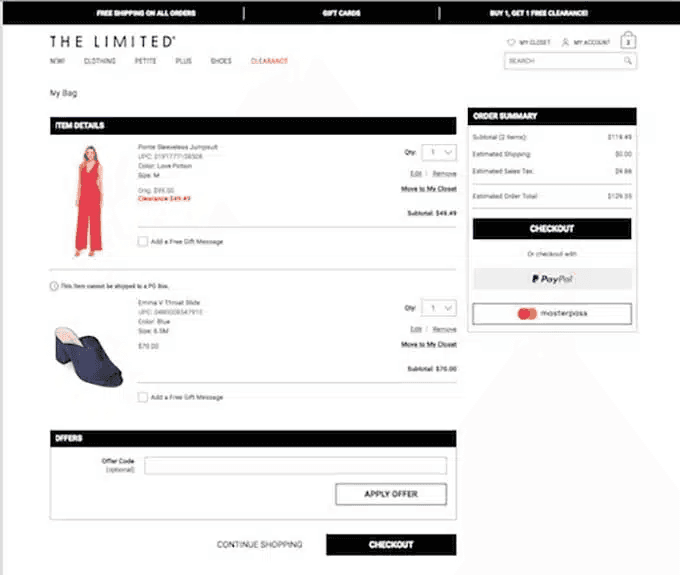
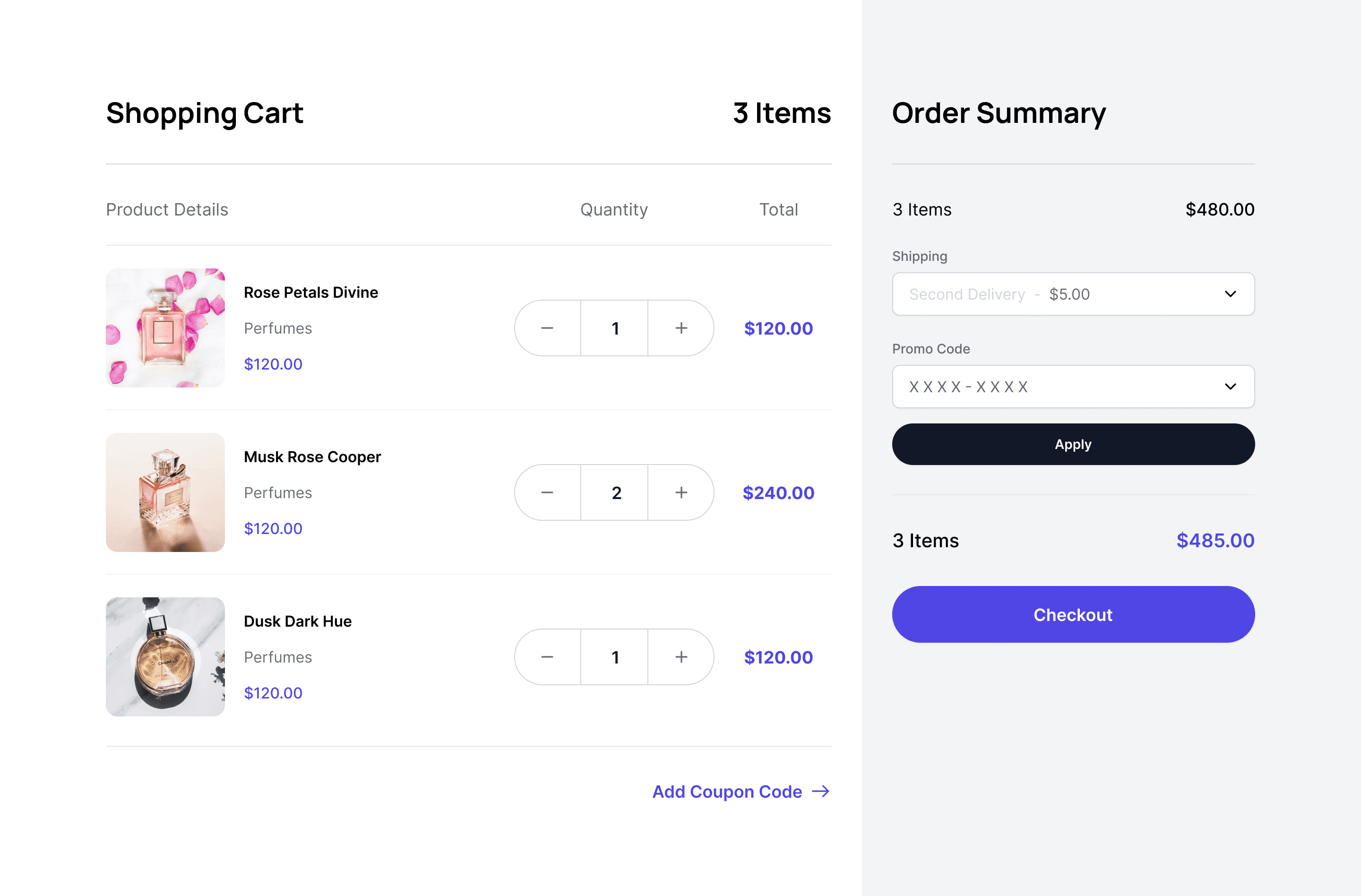
Shopping cart examples
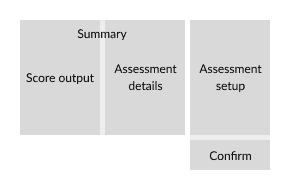
Wireframe
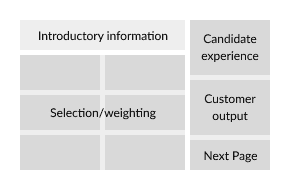
The page was updated to provide a shopping cart feel, showing the selections the customer had made on the left columns. The right column gave a breakdown of the candidate experience and the expected output for the customer.
Design began on updating the journey to include the shopping cart column as a single page journey.
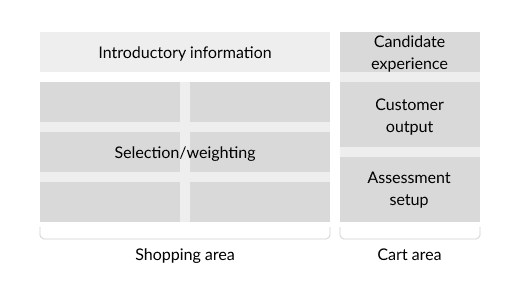
Initial layout wireframe
After iteration the initial layout and user journey was tested internally by subject matter experts and lay users. Feedback showed improvements had been made by using a single page, reducing context shifting multipage journeys and providing confidence in the final selection.
However, users felt a summary page where the final assessment could be viewed individually and confirmed would add value and further customer confidence.
Selection page
Summary page
Selection final decisions
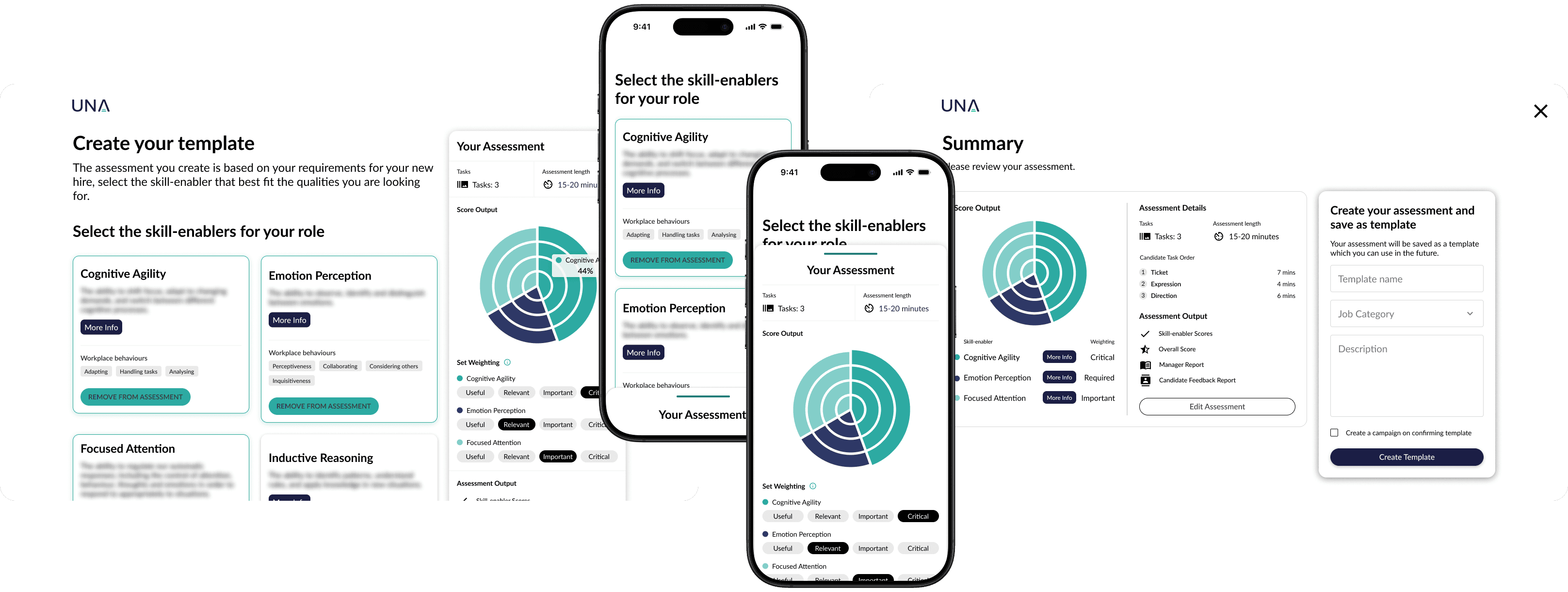
Rather than drive users through multiple screens, the journey became a single integrated interface with a persistent summary:
Central selection area lists trait cards
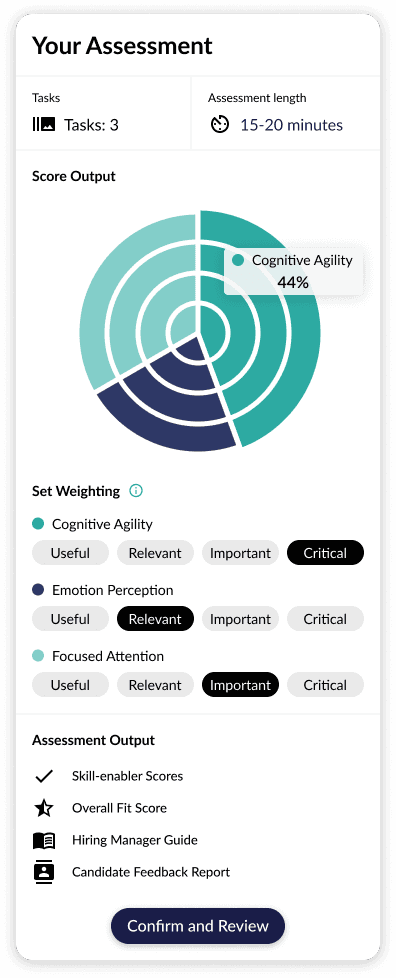
A cart-style summary panel shows real-time configuration details
Summary highlights candidate task number and estimated time
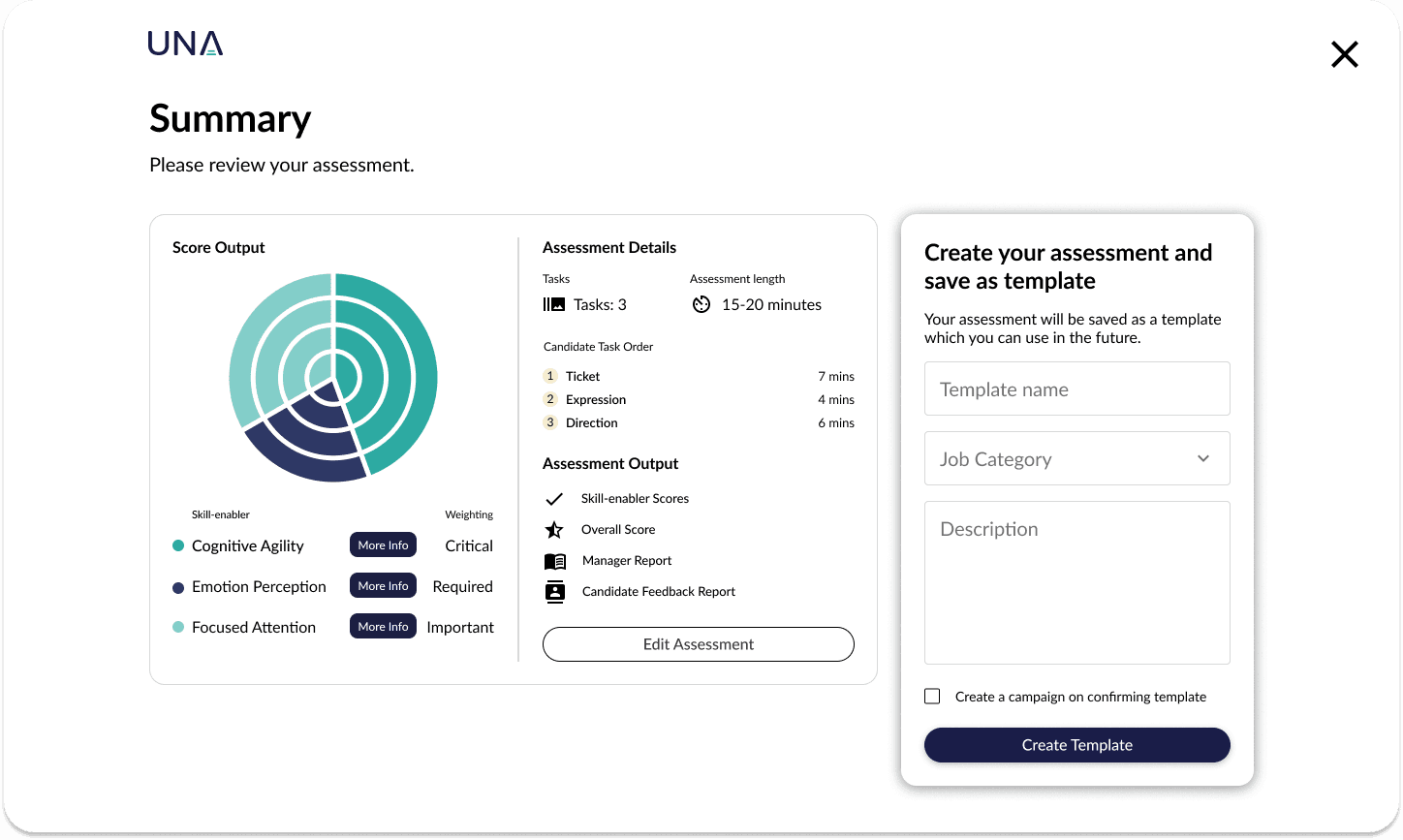
A final summary page gives customer security and confidence
This reduced switching and keeps context visible throughout the interaction.
Trait cards
Research
The existing personality trait cards provided the trait name and a brief description of the trait. By expanding the card the user could drill down to further information on competencies, skills and business values. Feedback from existing users provided by the customer success team and interviews showed that this information often felt too generic and trait definitions often overlapped.
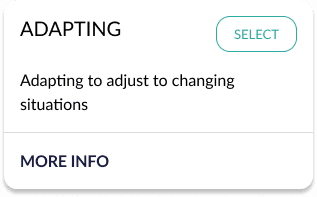
Trait card
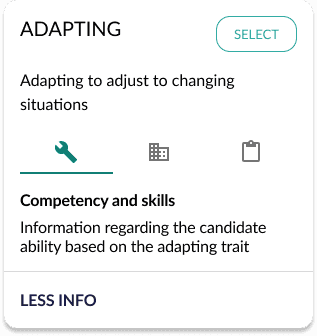
Expanded trait card
Skill-based updates
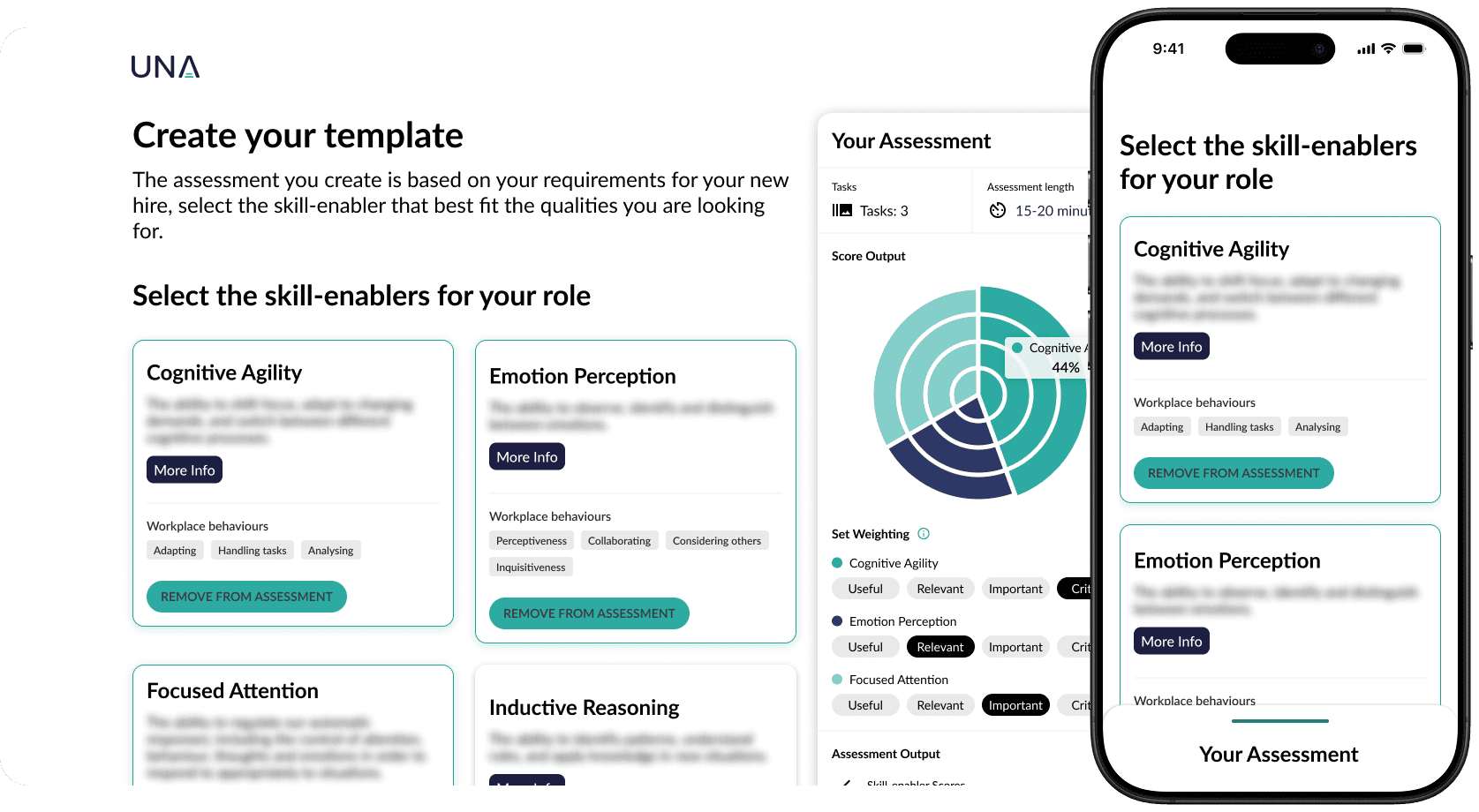
The new approach to skill-based traits mapped each individual trait to a task, this reduced the requirement for users to compare as many personality based traits. The user only needed to access one trait at a time which freed up the requirement for expandable cards.
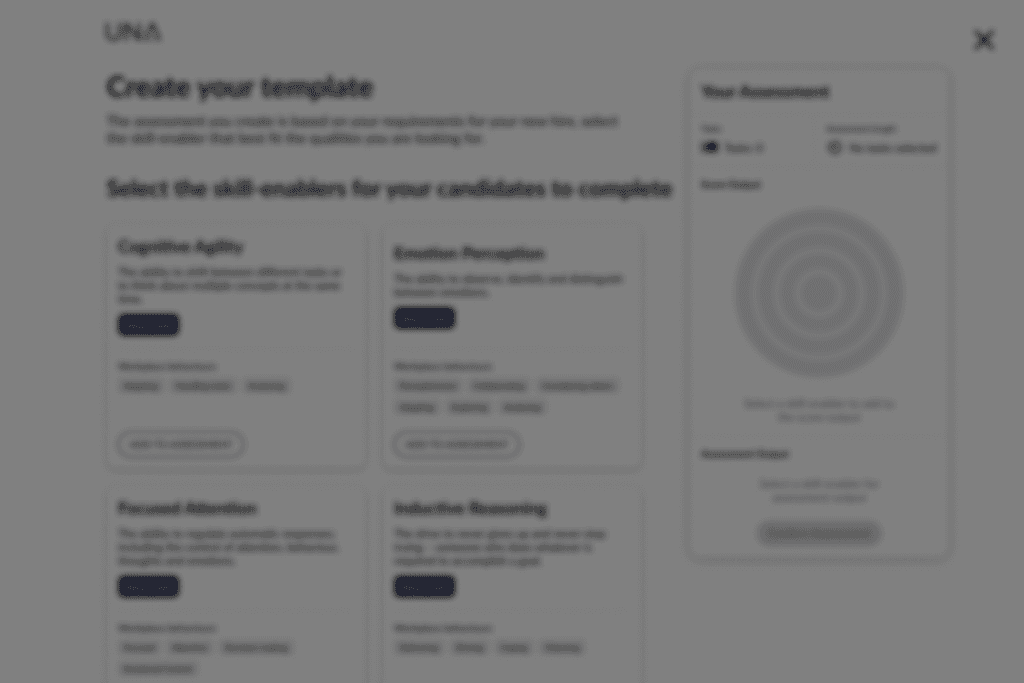
Multiple designs were originally put forward which included information regarding task, times and behaviours. Ultimately the simpler design which provided a description, workplace behaviour and the opportunity to open a modal for further detail was selected.
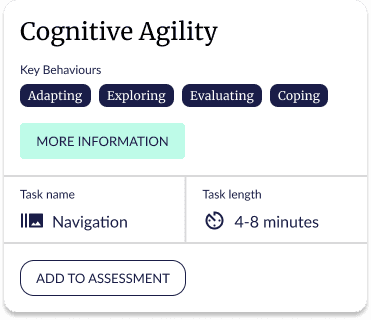
Trait card with key behaviours, task name and task length
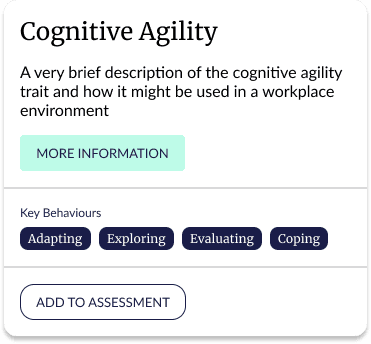
Trait card with description and key behaviours
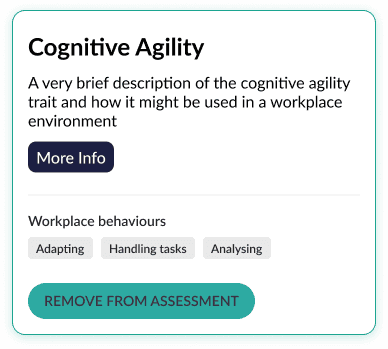
Final trait card
Increased detail and modal design
Through my research and feedback from the customer success team it was clear that users felt disconnected from the candidates experience and wished for more detail on the task and what they were actually testing.
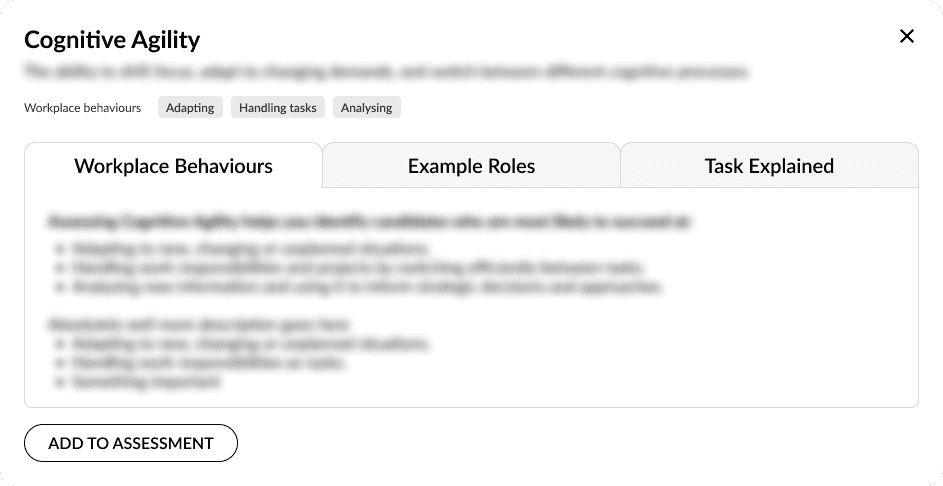
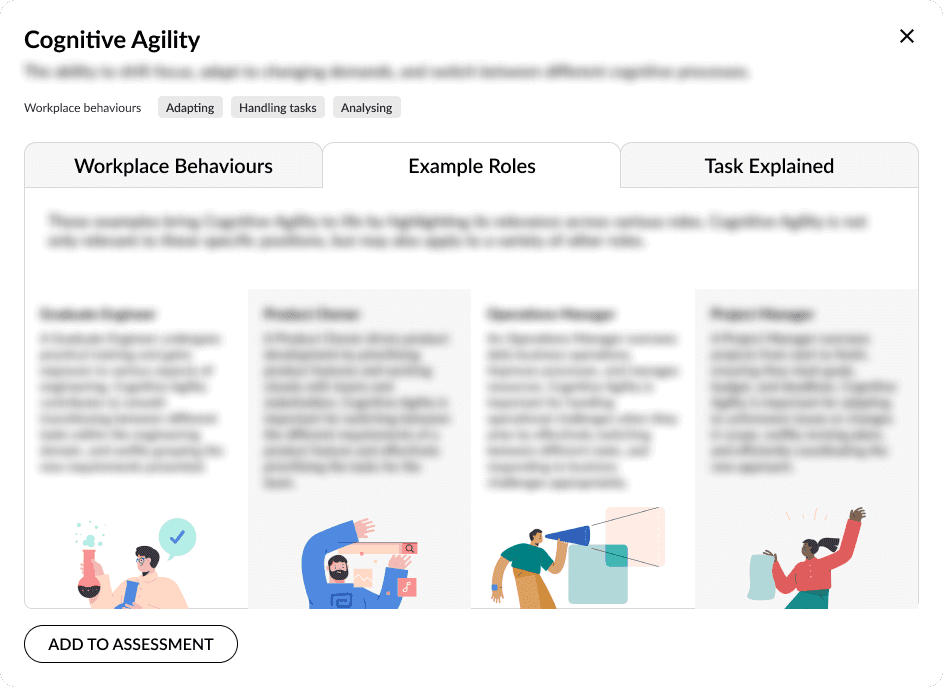
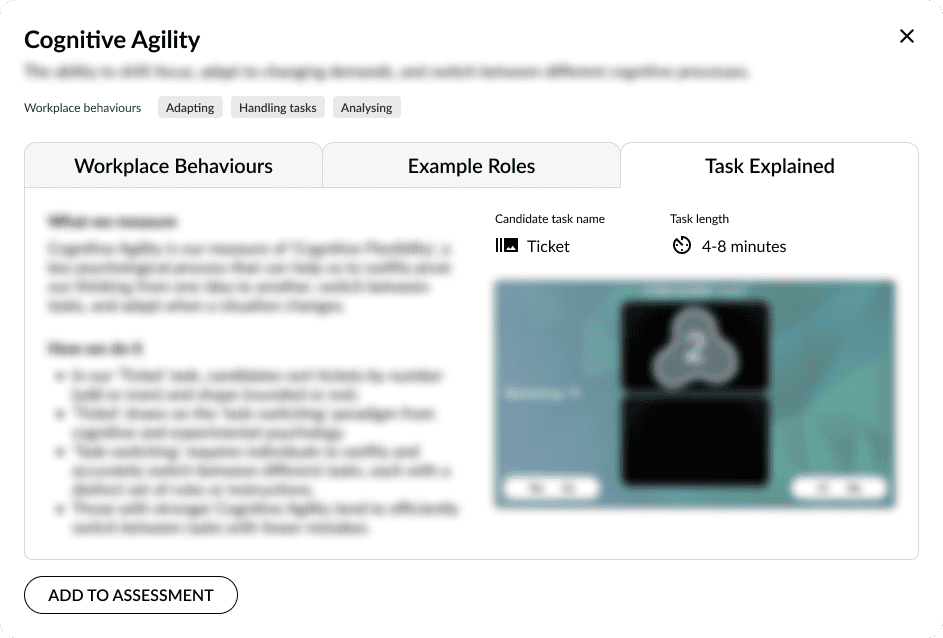
I led in expanding the detail provided for each trait (and thus task) then liaised with the Psychometric team to provide accurate and relevant information. The new traits were mapped directly to a single task so required less comparison. The design moved toward individual unique information in the form of a modal. The customer was able to expose further detail and focus on the selected trait. Users who were confident with the system did not require to expand more information and could make choices based on previous experience.
The trait modals included:
Workplace behaviours - A description of how the trait would effect the candidates behaviour in a workplace environment.
Example roles - A list of roles that someone who scored high in the selected skill would likely be successful in.
Task explained - A description of the task including the task time, how it tests the skill and some of the science. This proved invaluable to customers when candidates asked about specific tasks.
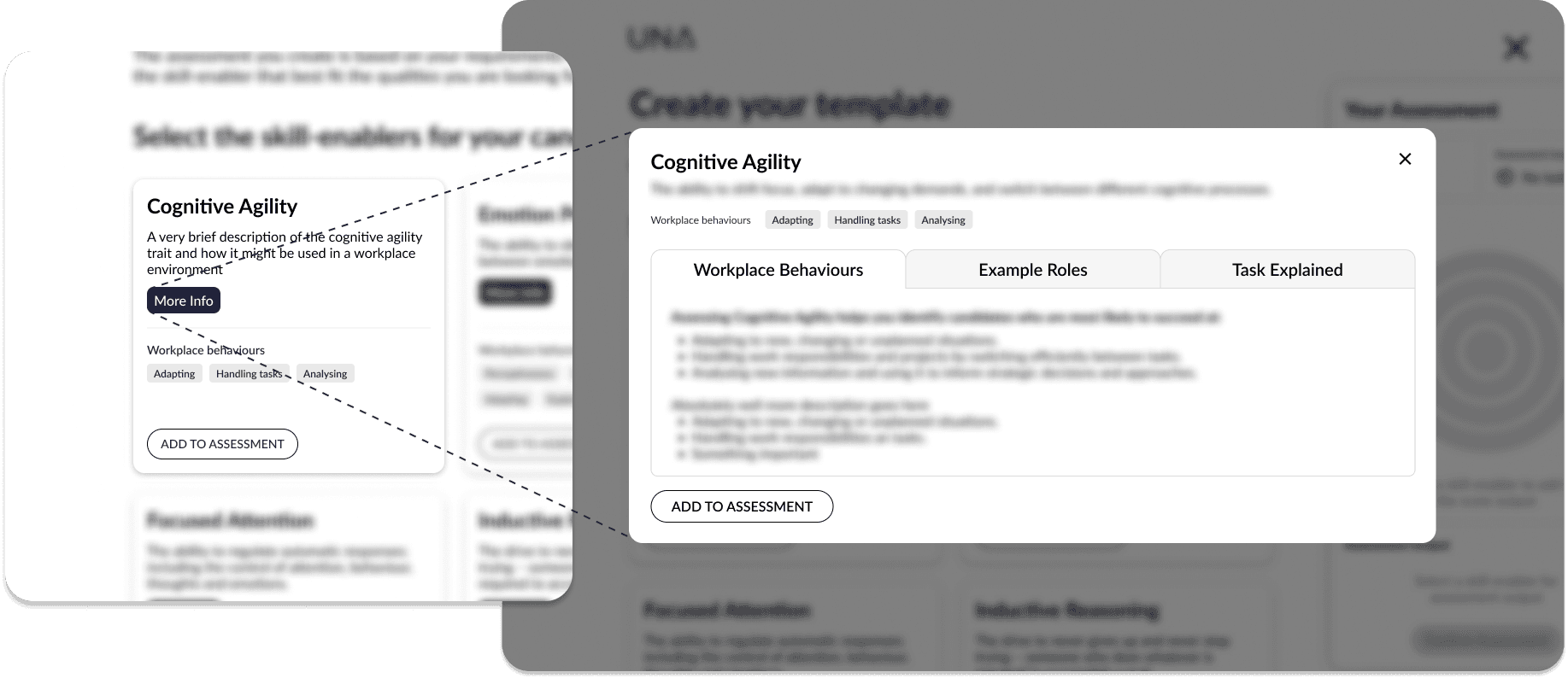
Trait card modal
Trait modals
Weighting
Opportunity and language
One of the advantages of the new skill-based traits was the option to change how much each trait contributed to the candidates final score, this was referred to as the weighting. As part of the early stage user testing I worked with users to select the best language for each weight. The weightings were set to four values: 25%, 50%, 75% and 100%; with the final language Relevant, Required, Important and Critical respectively.
Wireframe
During prototyping and testing the weighting options were added to the trait cards as both drop down and lozenge selection. A general preference was immediately shown toward the lozenge as all potential weightings were visible and easy to select.
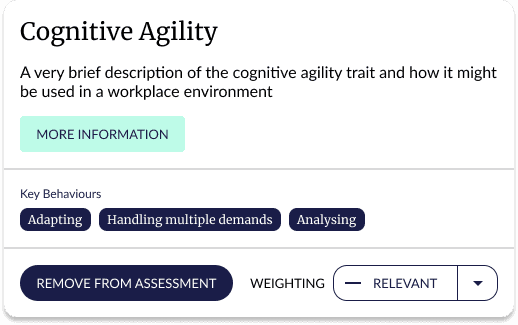
Dropdown selection
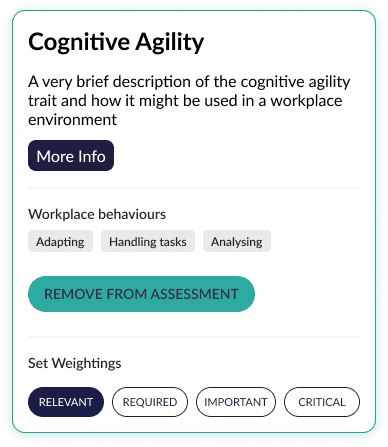
Lozenge selection
Weighting visualisation
By introducing weighting it was important to clearly communicate to the user that decisions impacted how candidates were scored.
Designs needed to communicate these changes in real time and allow the customer to understand how their weightings would effect the final score.
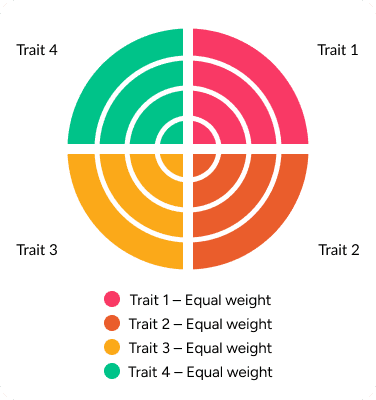
Existing radar graph
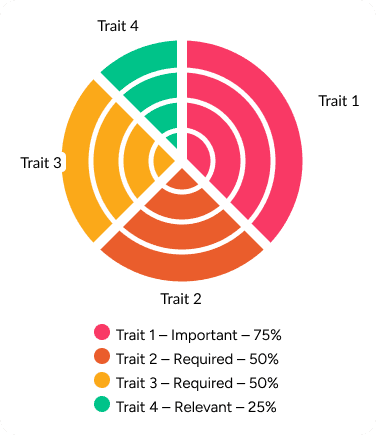
Updated weighted radar graph
To ensure consistency with existing designs I modified the existing radar graph used to present candidate score and applied the weighting. This made for an extremely clear breakdown of the candidates score in each task and how each would effect the final score.
The weighted radar graph replaced the existing radar graph across both the selection process and scoring pages, ensuring the customer was always confident with how each score effected their overall score.
Summary column and final page
Shopping cart sidebar
Based on the user testing it was found that:
The candidate experience and scoring implications were unclear until the end
Users were often surprised by the final configuration, reducing trust in the system
The shopping cart approach presented information of the candidate experience change, updating in real time as the customer made trait selections.
This included changes to:
Task number
Assessment length
Skills being tested
Score output
Weighting
Assessment output
What the customer received
What the candidate received
Once a customer selected their trait they were able to make changes to the weighting under the visual representation of the score in the radar graph. These changes were reflected in real time on the score output and interacting with the radar graph also presented final percentage weightings.
Final summary page
As part of prototyping the final single page design I found that confidence dropped, customers also preferred to complete set up of template name, job category and description in a separate area which afforded more consideration for the assessment setup.
Final summary page
Stakeholder management and strategy
I was a key stakeholder from the outset of the skill-enablers initiative and played an instrumental role in shaping and presenting the final product strategy to the C-suite. I defined a clear direction and scalable model for changes that affected the entire SaaS platform, including the Selection Journey, scoring framework, candidate feedback reports, and analytics.
I presented the final strategy to the executive team, where the CEO commended the work for bringing clarity and simplicity to a complex and high-impact shift in business direction. The UX design work was recognised as a critical factor in building executive confidence to proceed with the transition to skill-enablers.
The project and my contribution were formally acknowledged through an “Explorer of the Month” award and highlighted during the annual global town hall.
All design work was clearly structured and delivered in close collaboration with engineering. The full refinement and rollout of the updated SaaS structure was completed within a three-month timeframe, aligning the product experience with the new business strategy.

Outcome and impact
The redesigned selection journey delivered measurable UX improvements:
Reduced user confusion by collapsing multi-step flows into a unified interaction
Increased transparency around scoring and trait impact
Supported recruiters in making informed decisions about assessment configuration
Improved uptake and adoption of the new skill-based trait framework; showing an 80% uptake on release
Rapid development plan focusing on rapid prototyping, testing and iteration
Skill-enablers became the face of Arctic Shores marketing, effectively maturing the product across the market
Awarded "Explorer of the Month" for role in skill-enablers initiative
The journey has been integrated into the broader product roadmap and has informed subsequent enhancements to assessment setup workflows.
Reflection and key learnings